
From an exceptionally wet winter to a prolonged summer drought, 2026 has demonstrated just how unpredictable the British weather can be. As November arrives, concerns are growing about groundwater supplies, reservoir levels and what these extraordinary conditions could mean for water management in 2027.
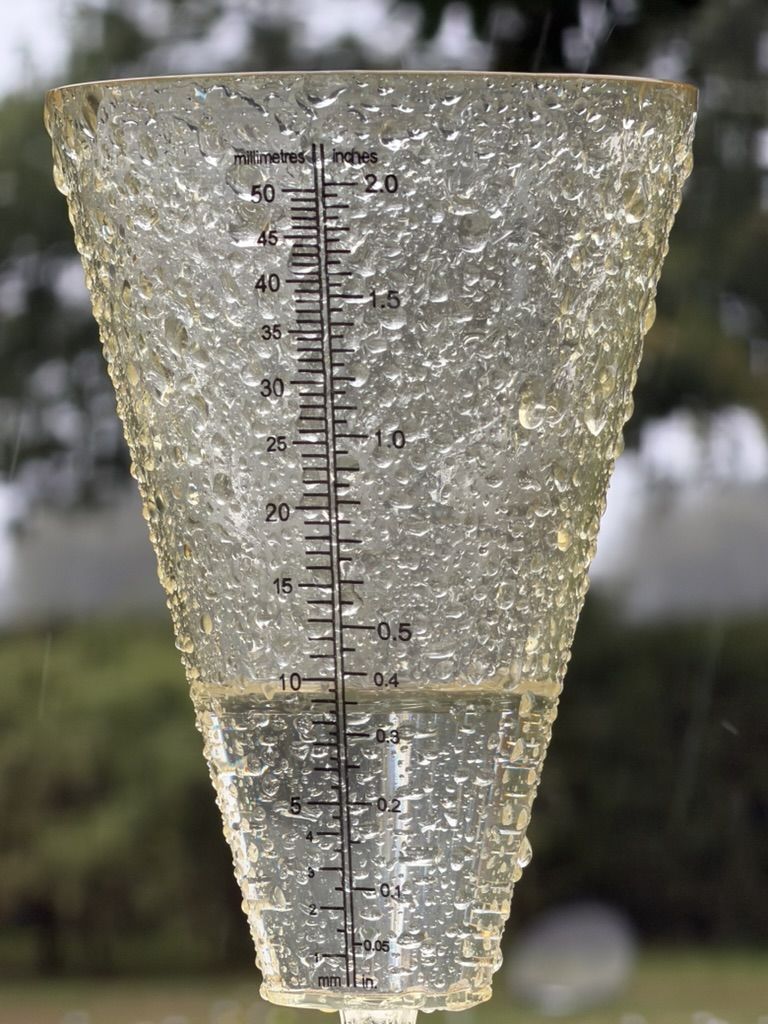
A Year of Extraordinary Weather Extremes
For farmers, landowners and those working across the British countryside, 2026 will be remembered as a year of remarkable weather contrasts.
Following an exceptionally wet winter for some parts of the UK, spring brought a dramatic change. Rainfall became increasingly scarce, temperatures climbed and much of the UK experienced a prolonged hot, dry summer. It has been widely commented on that this year has been a more significant weather event than the infamous summer of 1976 in that there were many more peaks and tropical nights. Many nights this summer stayed above 22 degrees – conditions which were much more intense than in 1976.
From a drought perspective, 1976 followed an exceptionally dry 1975 meaning that the drought this year (in 2026) is currently considered slightly less severe. However, this again needs to be considered in relation to where in the UK we are talking about because many locations this autumn have not yet seen any months since the summer with anything other than average rainfall levels – albeit there is still the wintertime to come!
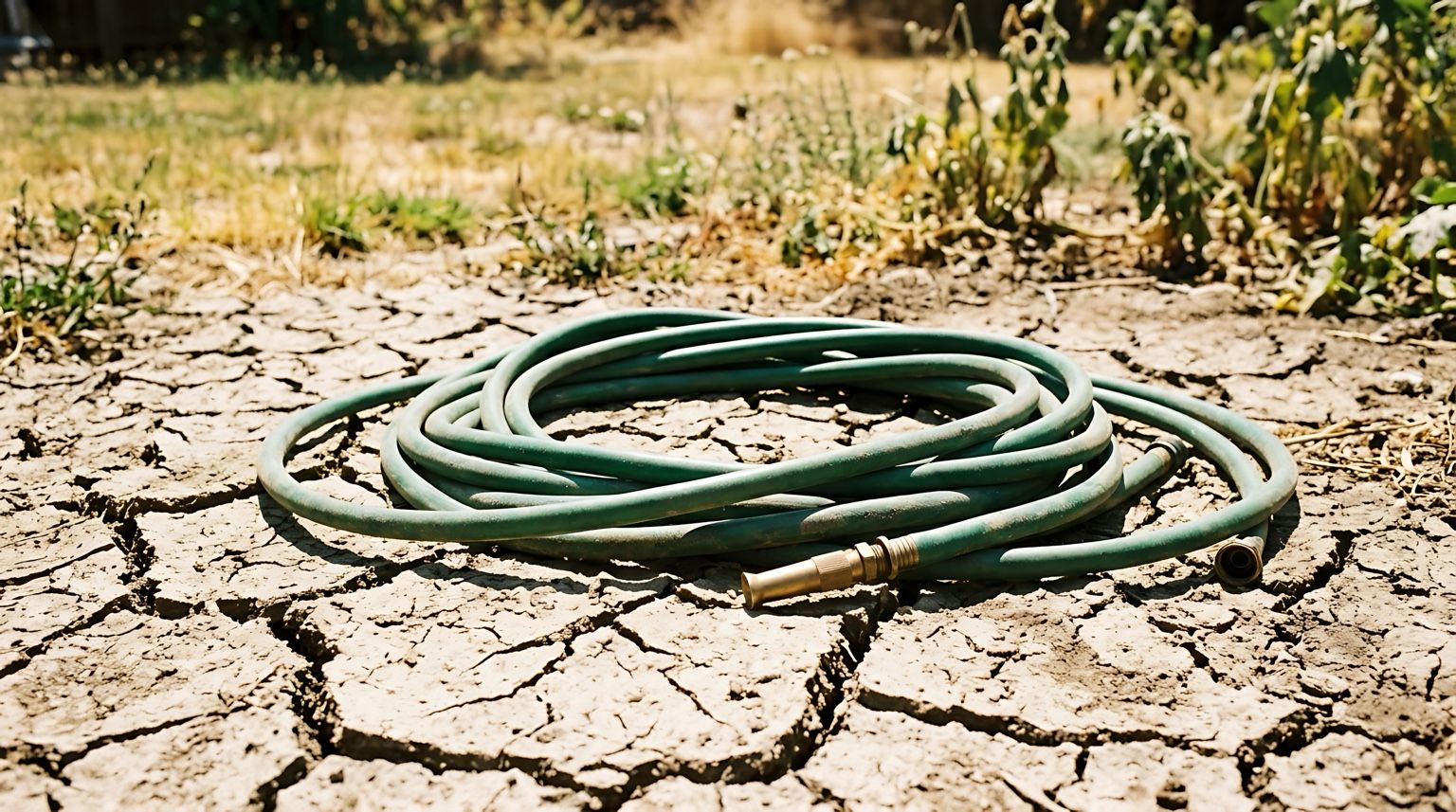
Reservoir levels have fallen, river flows have declined and groundwater supplies remain under considerable pressure.
Remarkably, widespread hosepipe restrictions remain in place as we enter November, highlighting the severity of the situation this autumn.
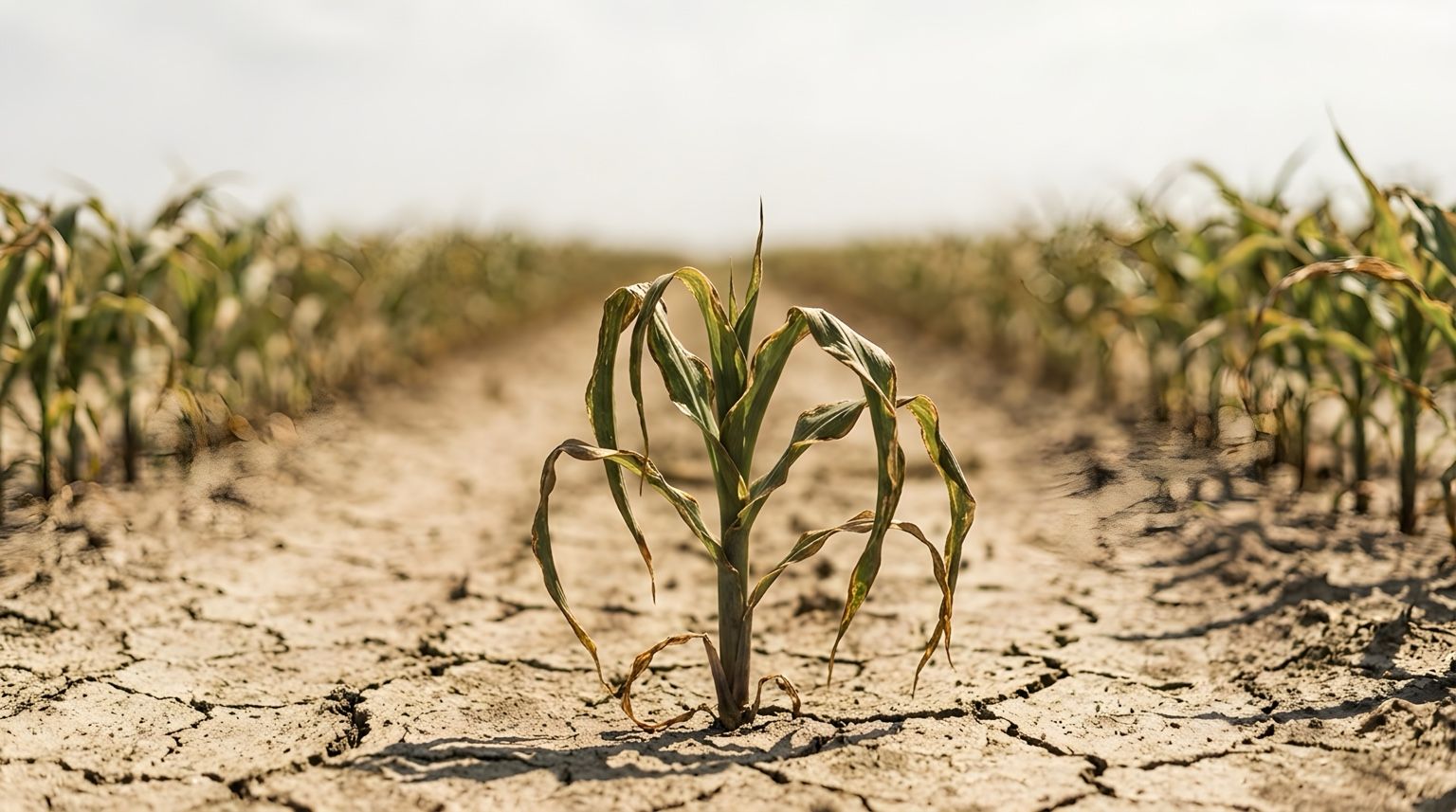
Why Groundwater Recharge Is Such a Concern
Across much of the UK, particularly East Anglia, underground aquifers provide essential water supplies for households, agriculture, rivers and wetlands.
These aquifers are predominantly replenished during autumn and winter. However, before meaningful groundwater recharge can occur, rainfall must first replenish the soil moisture deficit accumulated during the summer.
Think of soil as a giant sponge.
Following prolonged drought, that sponge must absorb considerable moisture before reaching field capacity – the point at which soil has retained the water it can hold against gravity, allowing surplus water to drain through the soil profile.
Across many areas, soils have still not reached field capacity despite November arriving.
Consequently, numerous springs, watercourses and agricultural ditch systems remain dry or are carrying exceptionally low flows.
This is particularly concerning because substantial rainfall may be needed simply to restore soil moisture before groundwater reserves can begin recovering.
Winter Reservoir Filling – A Growing Problem
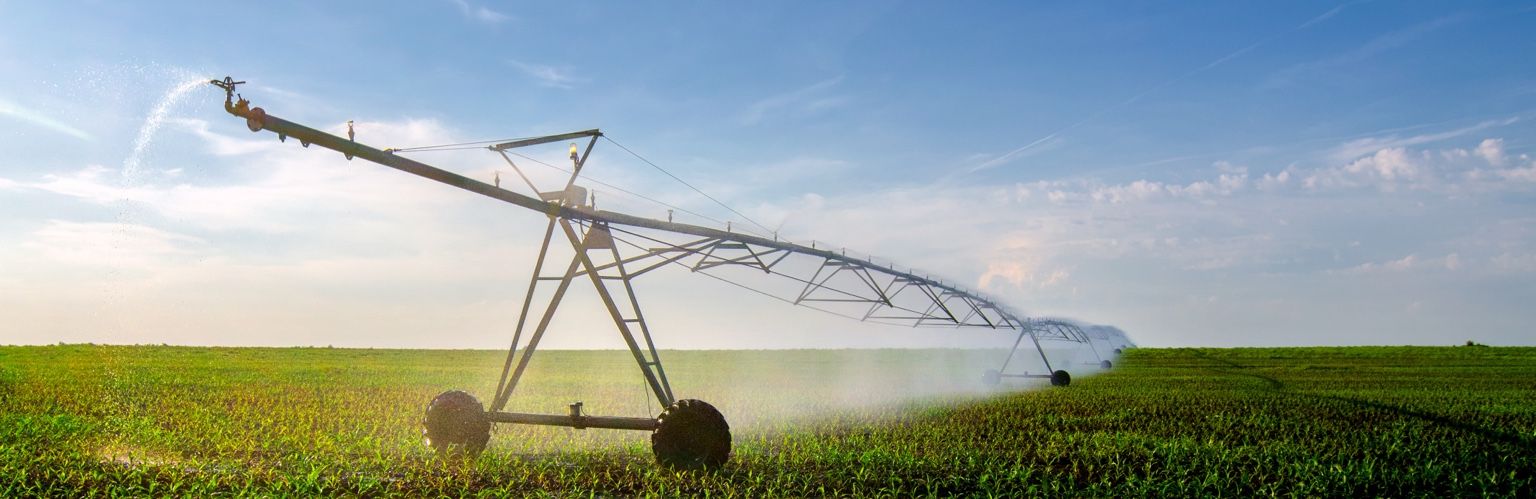
Winter is a critical period for replenishing reservoirs, including those used for agricultural irrigation.
Many agricultural businesses rely on licensed winter abstraction from rivers, with extraction generally permitted only when flows exceed specified environmental thresholds.
If river flows fail to recover sufficiently, opportunities to fill reservoirs could be severely restricted.
The implications for 2027 could potentially be even more serious than those experienced during 2026.
Without adequate winter replenishment, another dry spring or summer could place enormous pressure on agricultural production and public water supplies.
Could El Niño Bring a Dramatic Reversal?
Adding further uncertainty is the prospect of El Niño influencing global weather patterns this winter.
Unusually warm waters in the tropical Pacific can affect atmospheric circulation and, indirectly, weather systems across the North Atlantic.
Some developing scenarios suggest substantial Pacific warming, potentially accompanied by an increased likelihood of unsettled weather patterns.
However, El Niño’s influence on UK weather is complex, and a particularly wet or stormy winter cannot be guaranteed.
Nevertheless, the possibility of a dramatic return to prolonged rainfall raises an extraordinary prospect.
After months of desperately needing rain, could parts of the country suddenly find themselves dealing with widespread flooding?
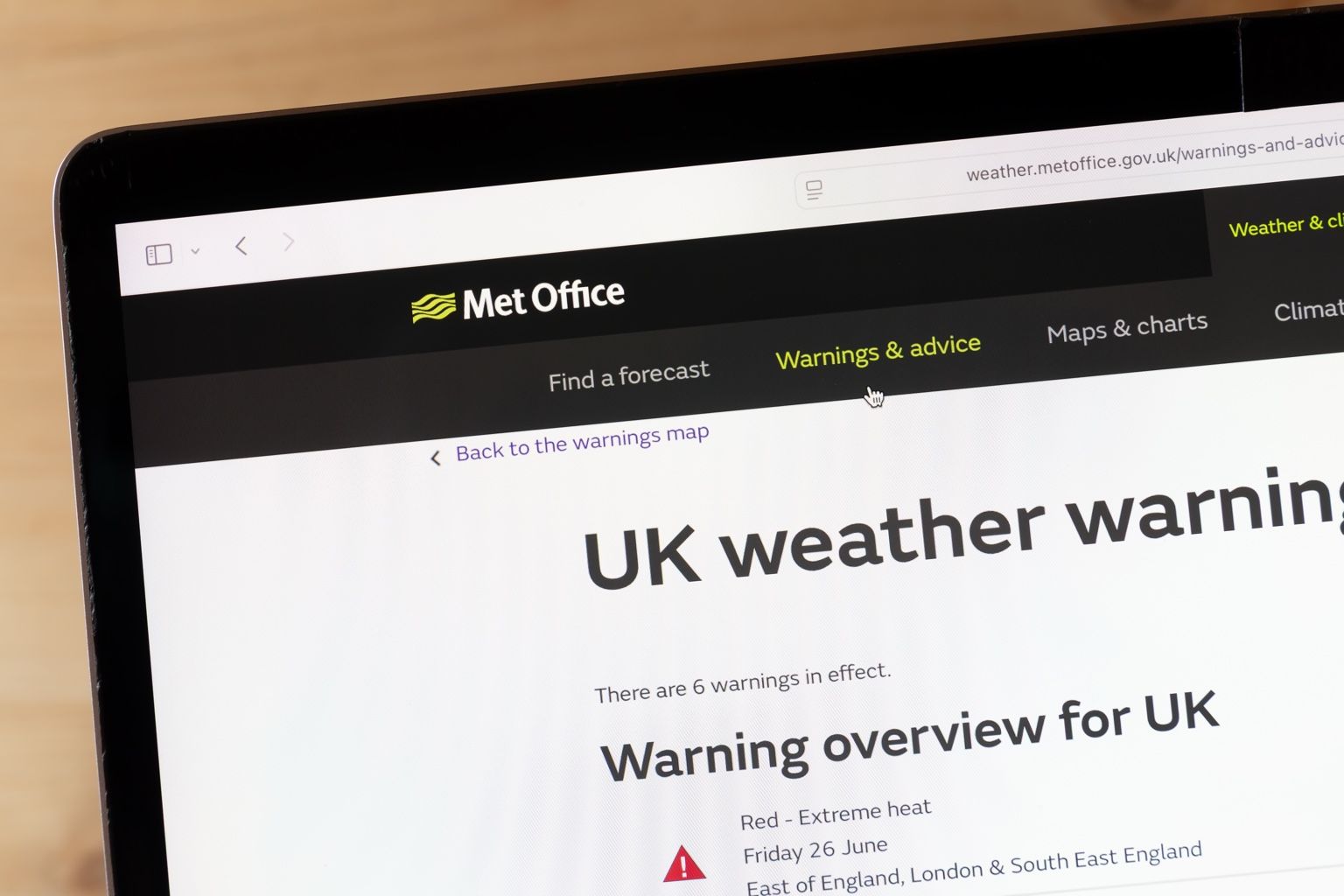
Water Management Must Become a National Priority
Perhaps the greatest lesson from 2026 is that water management needs to move considerably higher up the UK’s national priorities.
For too long, our approach has been fragmented, with drought management, flood prevention, agricultural irrigation and public water supplies frequently considered separately.
We need a much more coordinated strategy for capturing, storing, transferring and managing water across the countryside.
The proposed Strategic Pipeline Alliance (SPA) water transfer infrastructure offers an interesting example of what the future might look like.
By developing infrastructure capable of transferring drinking water from North Lincolnshire towards the increasingly water-stressed southeast of England, projects of this nature demonstrate the value of strategic, long-term planning.
However, while such investment represents an important step towards securing future public drinking water supplies, it does little to address the equally important requirements of agriculture and the wider countryside.
We need greater collaboration between water companies, farmers, landowners, drainage authorities, environmental organisations and government.
Could more integrated networks of reservoirs, watercourses, pumping infrastructure and controlled water storage allow us to move water more systematically across agricultural landscapes?
Rather than simply allowing surplus winter rainfall to escape towards the sea, surely we should be exploring more opportunities to retain and redistribute water where it is needed.
Water is one of our most precious resources. We need to become considerably better at managing it.
Managing Both Extremes – The William Morfoot Approach to Water Management
At William Morfoot Ltd, we have spent more than six decades helping farmers, landowners and organisations manage water effectively.
Our agricultural land drainage systems enable waterlogged soils to recover more rapidly following prolonged rainfall, protecting soil structure and helping farming operations resume sooner.
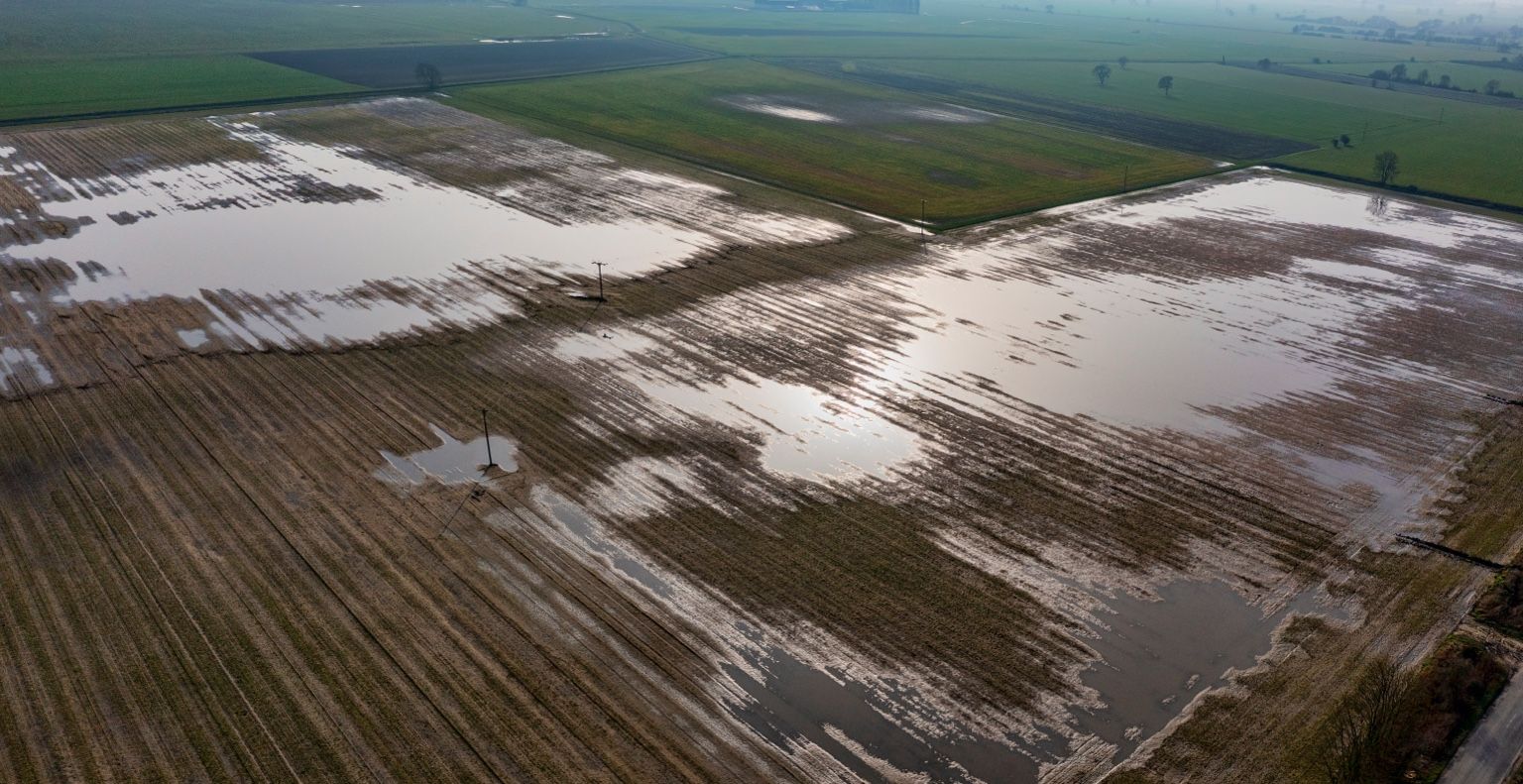
Equally importantly, our environmental water management projects demonstrate how intelligently designed landscapes can help manage excess water more sustainably.
Through river re-wiggling, floodplain restoration, water attenuation and habitat creation, we have delivered projects that slow water movement through catchments, reduce peak flows and help alleviate downstream flood risk.
These projects demonstrate that effective water management is not simply about removing water quickly. Sometimes, retaining and slowing water is equally important.
Looking Ahead to 2027
The extraordinary conditions of 2026 should serve as a wake-up call.
As a nation, we need to move beyond reacting to droughts and floods and begin investing in a genuinely joined-up approach to water management.
Whether the coming winter brings much-needed rainfall or another period of extreme flooding, one thing is certain.
Managing water intelligently – both when we have too much and when we have too little – has never been more important.
William Morfoot Ltd – Specialists in Agricultural Land Drainage, Environmental Water Management and Habitat Restoration Since 1962. To talk to us about water management on your land, get in touch with the William Morfoot team.