
Chalk stream restoration protects one of the world’s rarest and most precious natural habitats. Remarkably, approximately 85% of the world’s chalk streams are found in England, with a significant concentration located here in East Anglia, making our region home to a truly exceptional network of internationally important watercourses.
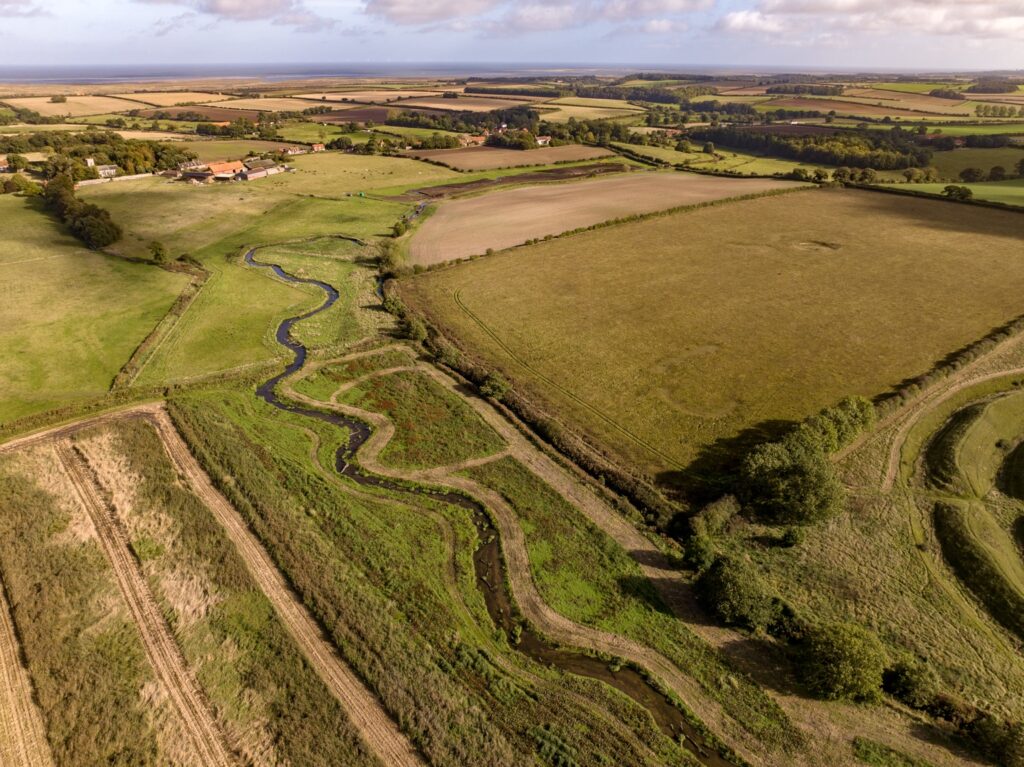
At William Morfoot Ltd, we recognise just how fortunate we are to have these extraordinary natural environments on our doorstep. For many years, our specialist teams have carried out chalk stream restoration, river restoration, floodplain re-wetting and wetland habitat creation across the region, helping to restore these precious landscapes and safeguard them for future generations. Our wider civils and environmental project experience underpins every scheme we deliver.
What Makes Chalk Streams So Special?
Unlike conventional rivers, chalk streams are predominantly fed by groundwater emerging from underground chalk aquifers. As rainwater filters naturally through the chalk, it produces exceptionally clear, mineral-rich water that provides ideal conditions for an extraordinary diversity of wildlife.
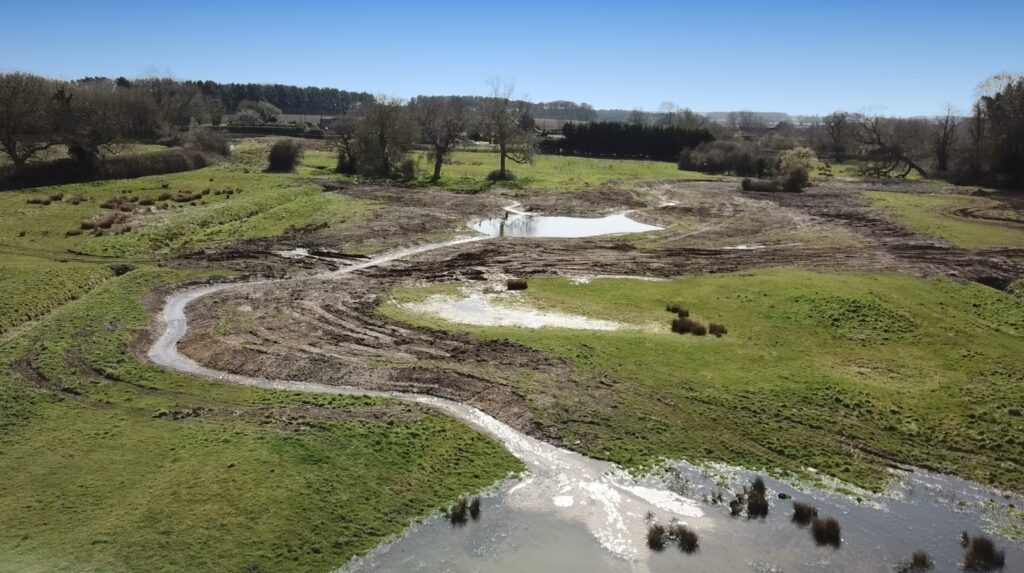
Healthy chalk streams support thriving populations of brown trout, water voles, kingfishers, aquatic invertebrates and numerous species of aquatic vegetation. Their ecological importance reflects both their exceptional biodiversity and their global rarity. However, despite their importance, many have suffered decades of modification, degradation and environmental pressure.
Chalk Stream Restoration: Restoring Rivers to Their Natural Form
Historically, many British rivers were straightened, deepened or diverted to accommodate agricultural drainage, land management and other commercial activities. Although these interventions served particular purposes, they frequently disconnected rivers from their natural floodplains, accelerated water movement and reduced the diversity of habitats available to wildlife.
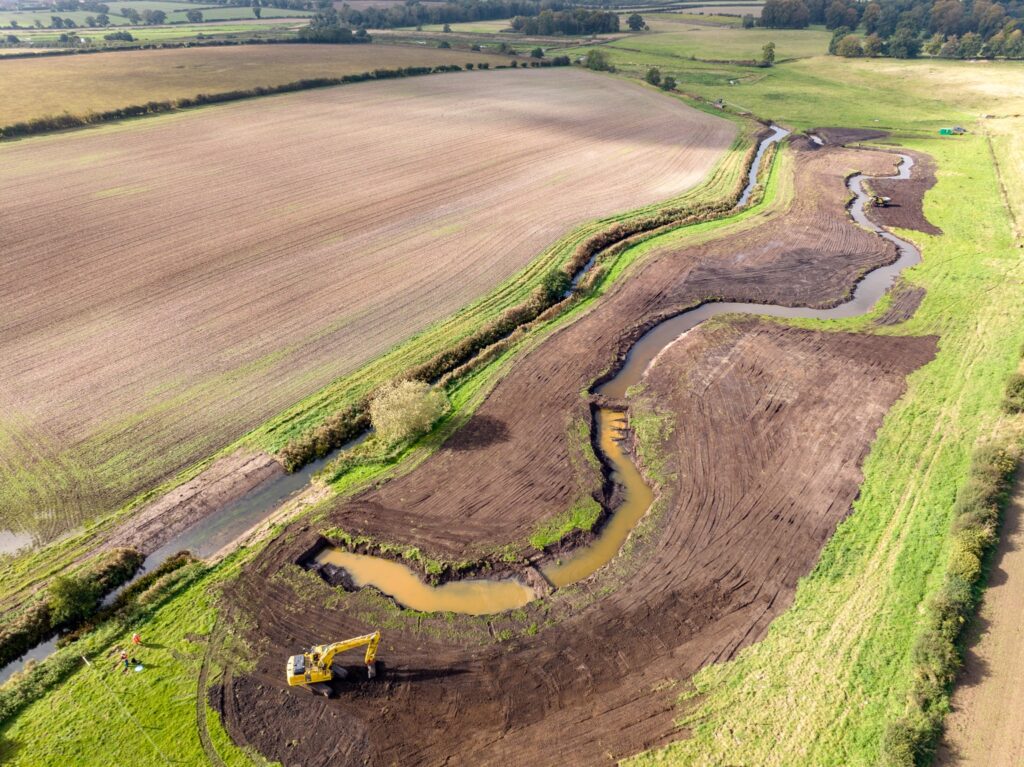
Today, river restoration increasingly focuses on reversing these historic modifications. One particularly effective technique used in river restoration is re-meandering – sometimes referred to as “re-wiggling” – where artificially straightened watercourses are redesigned to recreate the natural bends and meanders that would historically have characterised the landscape. Careful scheme design is essential to get these channels right.
These restored channels introduce variations in water velocity, depth and sediment movement, creating a more diverse and ecologically valuable river environment.
Floodplain Re-Wetting and Chalk Stream Restoration
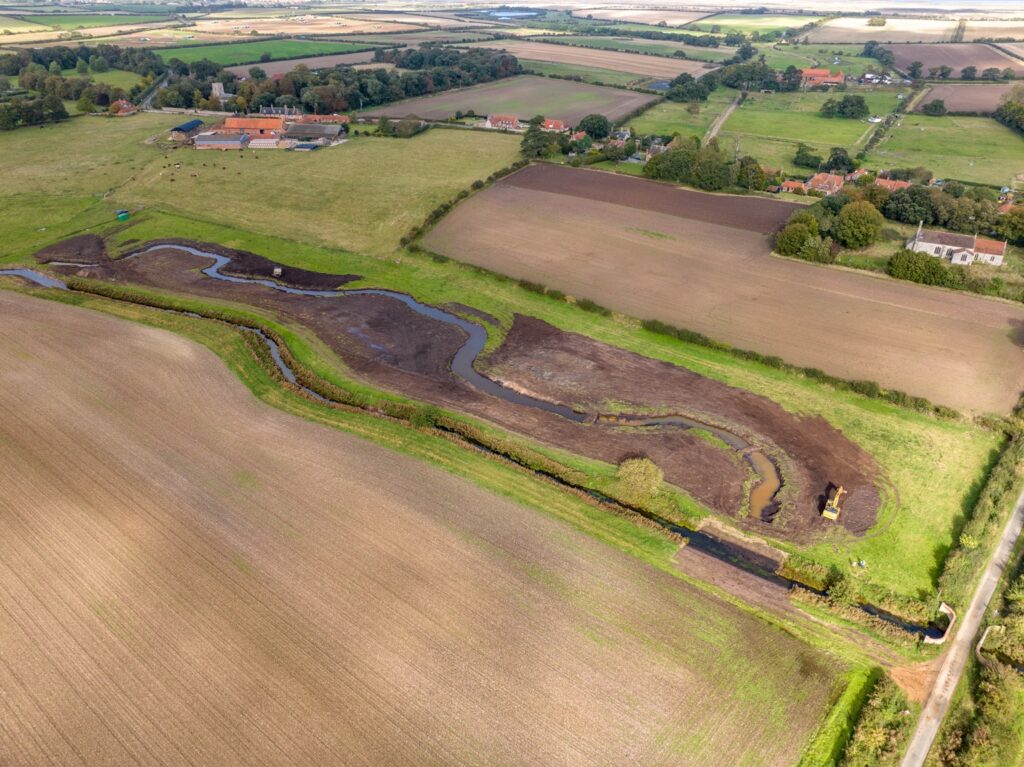
Another important element of river restoration involves reconnecting watercourses with their surrounding floodplains. Over generations, many floodplains have been artificially drained or disconnected from their rivers, reducing their ability to support wetland habitats.
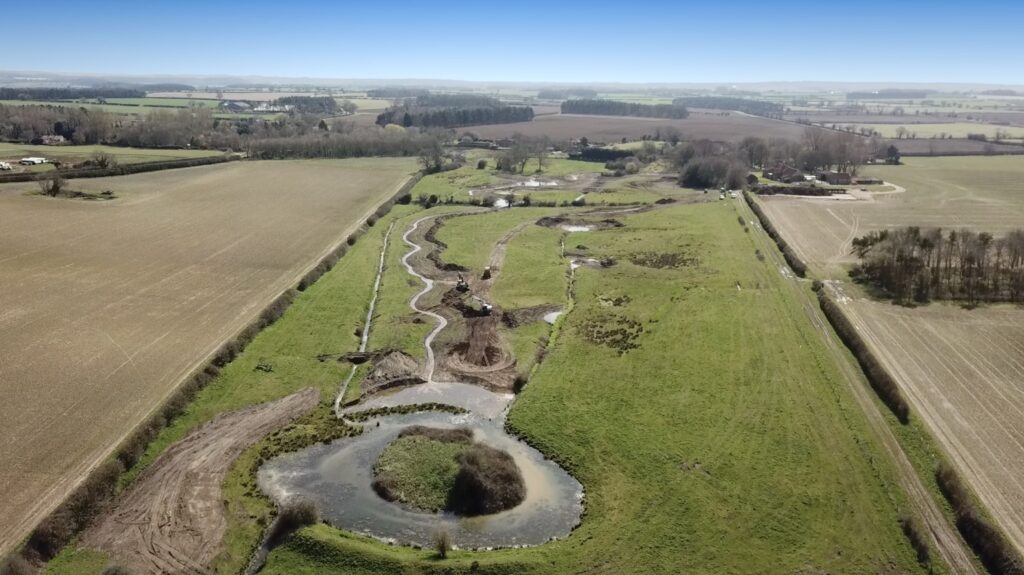
Through carefully designed earthworks, channel modifications and water-level management, floodplain re-wetting can help restore natural hydrological processes, allowing water to spread across suitable areas of the landscape during periods of higher flow. The environmental benefits can be substantial, including improved biodiversity, additional wetland habitat, enhanced water retention and opportunities for natural flood management. Many of these schemes also fall under the environmental permitting rules for flood risk activities, and our teams are experienced in working within these requirements.
William Morfoot: Chalk Stream Restoration Specialists
At William Morfoot Ltd, we have developed considerable experience delivering specialist chalk stream restoration and environmental improvement projects across East Anglia. Our work combines technical expertise in water management, specialist earthmoving capabilities and a practical understanding of sensitive rural environments.
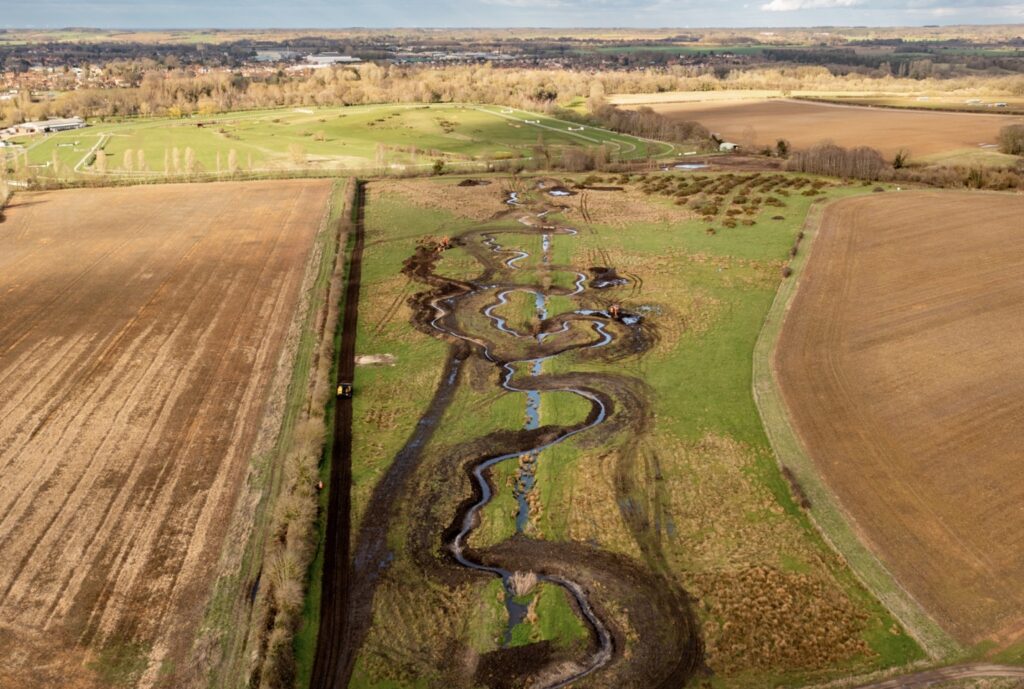
Working alongside environmental organisations, landowners and project partners, our teams help transform restoration designs into functioning landscapes. From constructing new meandering river channels and creating wetland scrapes to reconnecting floodplains and restoring natural water movement, our practical delivery approach helps us contribute to projects that deliver lasting environmental benefits.
Protecting These Precious Landscapes for Future Generations
Chalk streams represent an irreplaceable part of Britain’s natural heritage. With such a significant proportion of the world’s remaining chalk streams located in England – and many of them here in East Anglia – we have both an extraordinary opportunity and a responsibility to protect them.
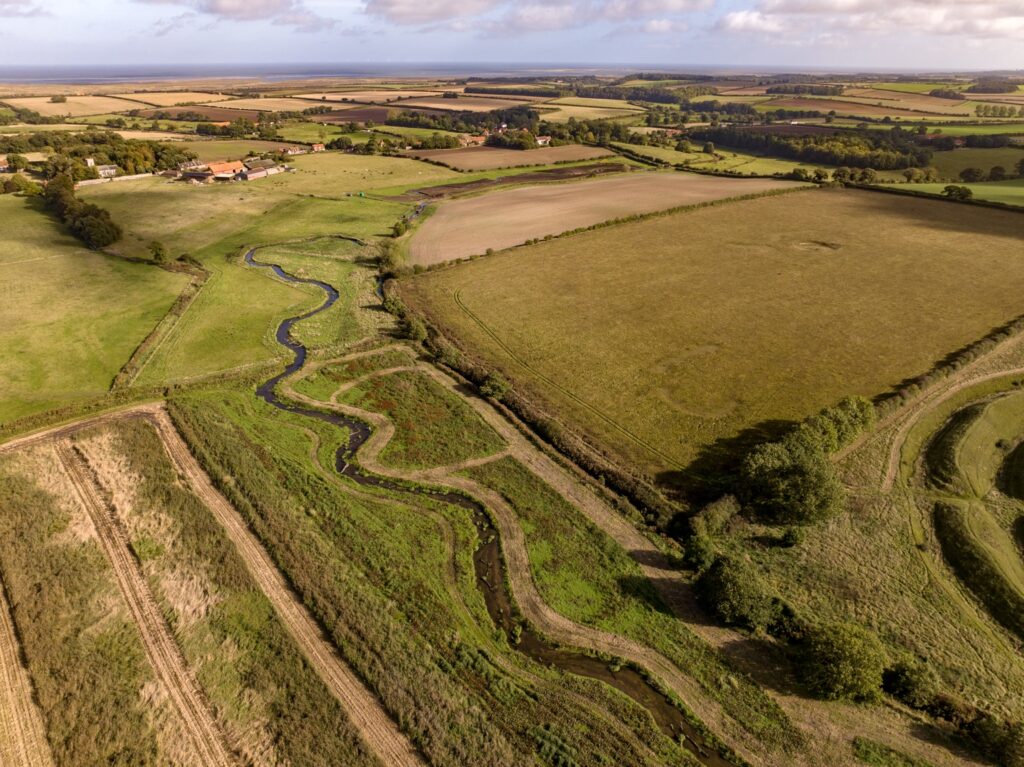
At William Morfoot Ltd, we are proud to play our part in restoring these remarkable environments. By combining traditional land management knowledge with modern environmental engineering, we can help return rivers and floodplains to healthier, more natural conditions.
Ultimately, successful chalk stream restoration is about much more than moving water. It is about restoring landscapes, rebuilding habitats and creating an enduring environmental legacy for generations to come. To discuss a river restoration project, get in touch with our team.