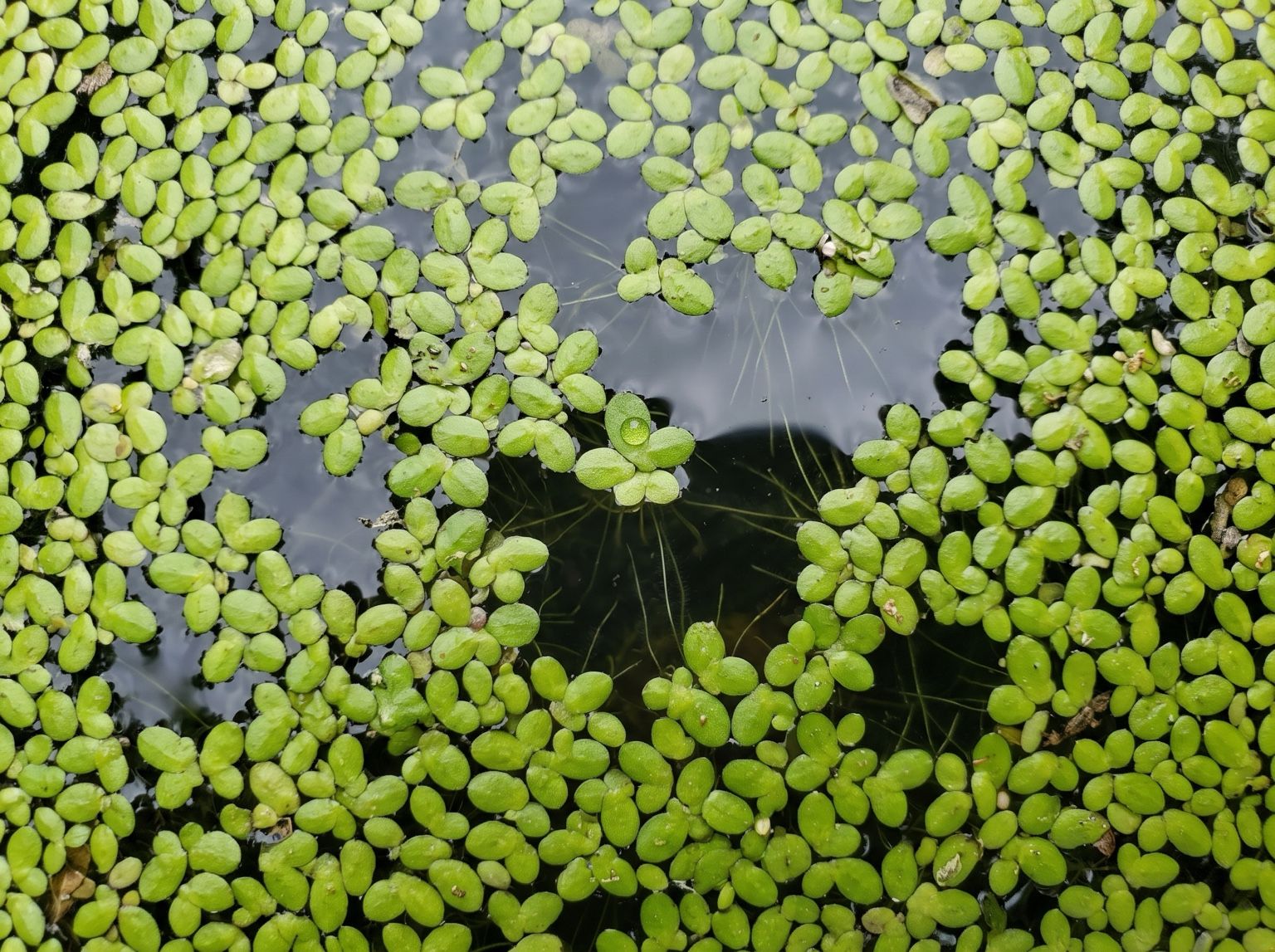
Biodiversity Net Gain (BNG) is changing how land is developed and managed across England. Under the Environment Act 2021, most qualifying developments must deliver a measurable improvement in biodiversity. For developers, this creates planning obligations; for farmers and landowners, it can open opportunities to create habitats and generate income.
At William Morfoot Ltd, decades of environmental contracting, habitat creation and water-management experience help us turn ecological ambitions into practical, lasting improvements.
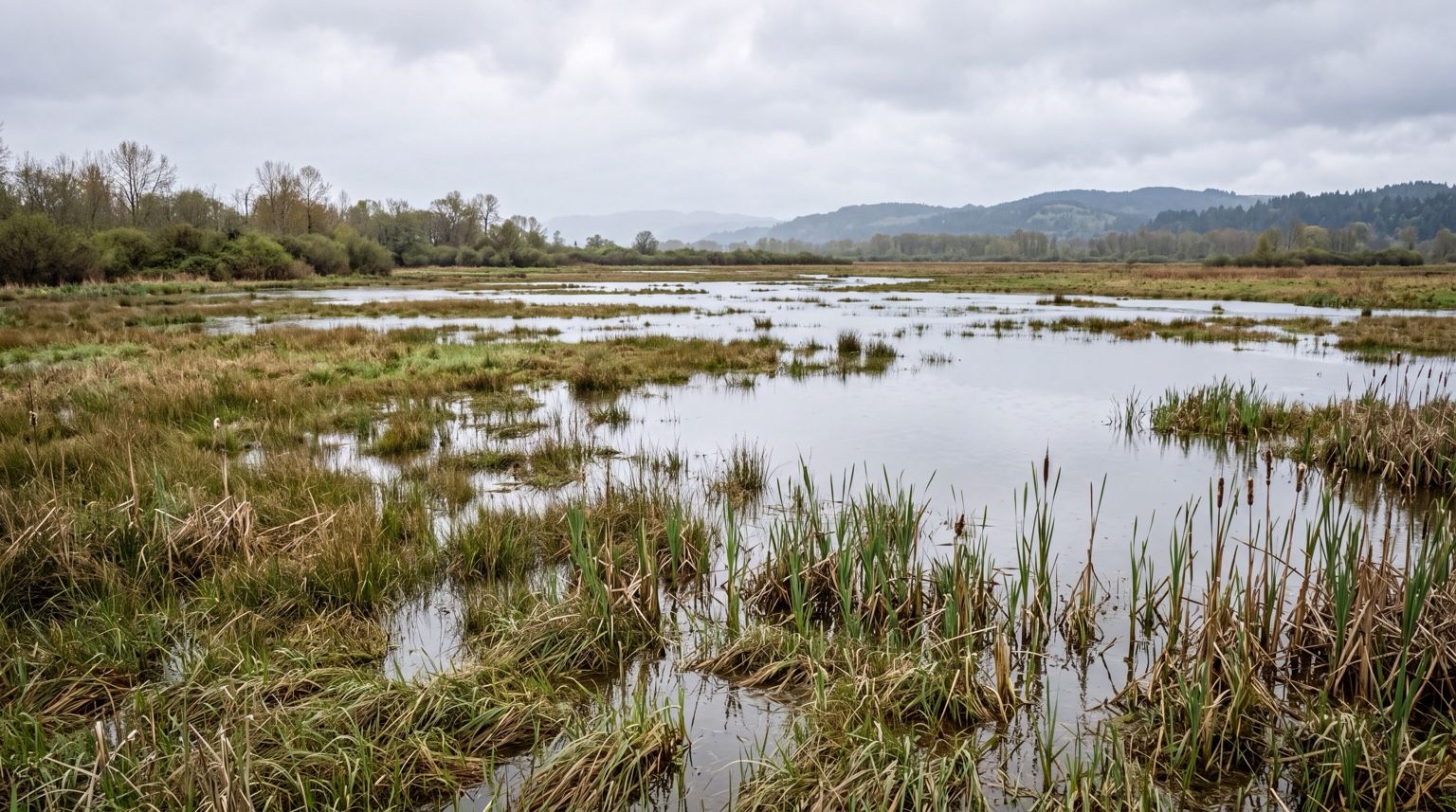
What Is Biodiversity Net Gain?
Most qualifying developments in England must achieve at least 10% Biodiversity Net Gain. The government’s Statutory Biodiversity Metric measures habitat value using factors such as area, type, condition and strategic significance. BNG is about creating measurable ecological value, not simply planting trees.
What Does Biodiversity Net Gain Mean for Developers?
Developers should consider BNG early in project planning. Gains may be delivered through habitat creation or enhancement on-site, registered off-site biodiversity units, or statutory biodiversity credits as a last resort. Significant on-site gains and registered off-site habitats generally require at least 30 years of management and maintenance.
Working with ecologists, consultants and experienced habitat creation contractors from the outset can improve deliverability, reduce avoidable costs and support planning compliance. The government’s BNG guidance sets out the full requirements.

Opportunities for Farmers and Landowners
Farmers and landowners may be able to generate and sell biodiversity units by creating or improving suitable habitats. Projects could include restoring grassland, developing wetlands or establishing ponds on less productive land. However, long-term commitments, legal agreements, ecological assessments and management costs need careful consideration before proceeding.

Habitat Creation: Turning Biodiversity Net Gain Plans into Reality
Ecologists define habitat outcomes, but successful delivery depends on getting the practical work right. At William Morfoot, our environmental contracting work regularly includes:
- Habitat creation and restoration – establishing diverse, resilient habitats for wildlife.
- Wetland and pond creation – constructing valuable aquatic and marginal habitats.
- Water attenuation and flood risk management – storing and managing runoff while creating ecological benefits.
- River restoration and re-wiggling – reinstating natural meanders and reconnecting floodplains.
- Water-level management and drainage modification – controlling water to support habitat objectives.
- Earthworks and habitat landscaping – forming accurate levels and ground profiles.
- Ditch construction and re-profiling – improving water movement and ecological function.
- Peatland rewetting – protecting peat soils and restoring wetland conditions.
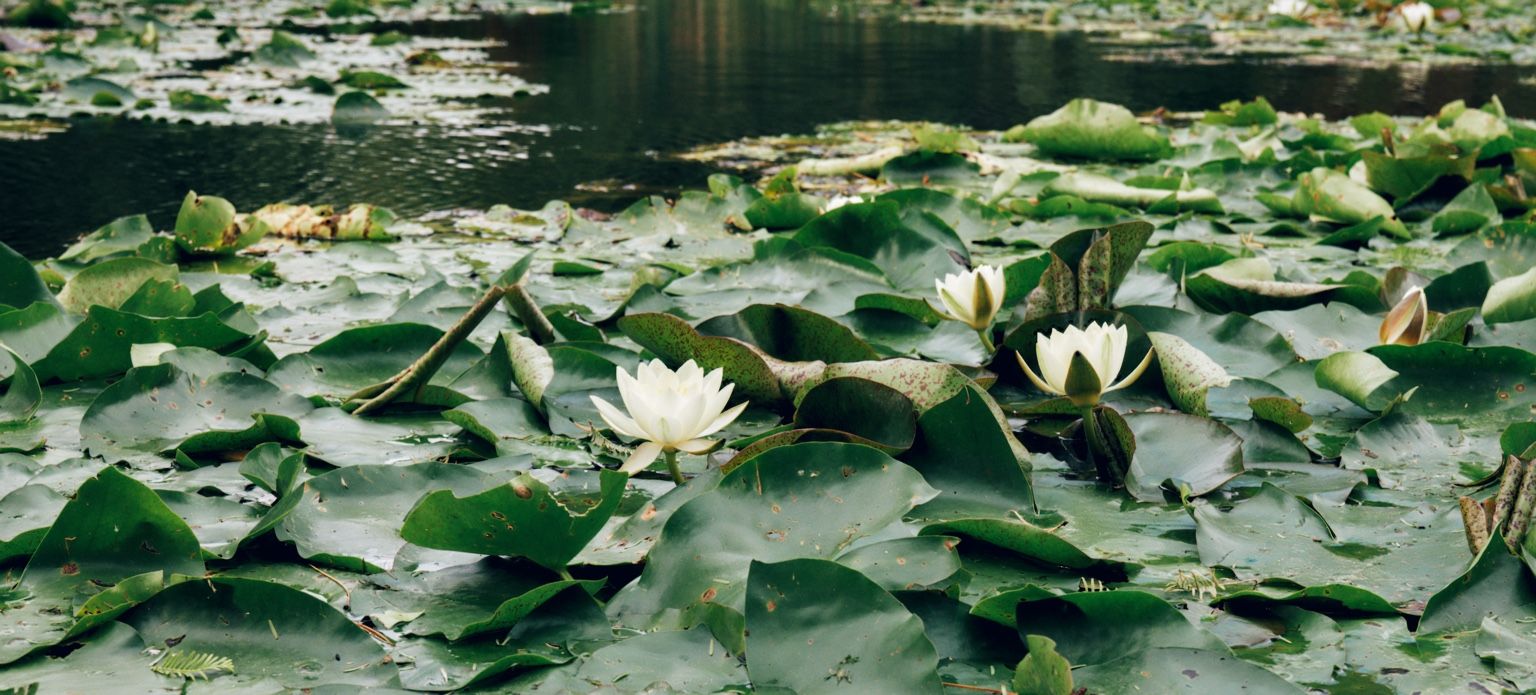
Our particular strength in habitat creation is combining biodiversity improvements with joined-up water management. Understanding soils, topography, drainage and water movement enables us to develop practical schemes that can deliver habitat benefits alongside water attenuation and flood risk reduction.
Experience That Makes a Difference
William Morfoot has worked with respected conservation organisations including Natural England, the National Trust, the Wildlife Trusts, the Rivers Trusts, the Woodland Trust and the RSPB. Our clients also include Holkham Estate, Nattergal, Wild Ken Hill and other prominent landowners.
Our dedicated, experienced team combines specialist machinery, practical construction knowledge and a genuine passion for restoring landscapes. Successful habitat creation demands careful planning, accurate levels and an understanding of how habitats will develop over time. Find out more about our scheme design and practical delivery.

Delivering Biodiversity Net Gain for the Future
For developers, landowners and conservation organisations, working with an experienced environmental contractor can help turn ambitious biodiversity objectives into sustainable results. William Morfoot Ltd is proud to support the creation and restoration of habitats that benefit wildlife, landscapes and future generations.
To discuss a BNG or habitat creation project, get in touch with the William Morfoot team.