
Ten costly agricultural land drainage mistakes – and why getting the design and installation right first time matters
Installing a comprehensive agricultural land drainage scheme represents a significant investment for any farming business. When properly surveyed, designed and installed, a well-engineered drainage system should deliver benefits for generations, improving soil structure, increasing cropping opportunities and helping farmers maximise the productive potential of their land.
However, not all land drainage schemes are created equal.
At William Morfoot Ltd, we have been designing and installing agricultural land drainage systems since 1962. Over more than six decades, we have encountered numerous examples of poorly designed and incorrectly installed drainage schemes, some of which have resulted in substantial additional costs for landowners.
Here, we explore 10 of the most common agricultural land drainage mistakes and explain why getting the fundamentals right is essential.
The 10 Most Common Land Drainage Mistakes
- Inadequate Topographical Surveys
- Incorrect Drainage Scheme Alignment
- Inexperienced Contractor Appointment
- Incorrect Gravel Depths and the Risk of Clay Capping
- Failing to Get Ditch Levels Right Before Installation
- Poor Pipe Gradients and Backfalls
- Using Poorly Specified Drainage Installation Equipment
- Failing to Understand the Importance of Gravel Backfill
- Size Matters: The Problems with Undersized Land Drainage Pipes and Field Culverts
- Failing to Identify and Accommodate Historic Land Drains
1. Inadequate Topographical Surveys
One of the most fundamental mistakes in agricultural land drainage is failing to undertake a detailed and comprehensive topographical survey before designing a scheme.
Understanding the precise contours and levels of a field is critical to determining how water can be effectively transferred through the drainage system. Without accurate topographical information, drainage designs can be compromised from the outset, resulting in poorly positioned drains, inefficient pipe gradients and unnecessary installation costs.
At William Morfoot Ltd, our detailed GPS topographical surveys and colour-coded contour plans are regularly highlighted by clients as one of the features that sets our service apart.
A successful drainage scheme starts with understanding the land.

2. Incorrect Drainage Scheme Alignment
Closely linked to topographical surveying is the importance of getting drainage alignments correct.
Drainage pipes need to be positioned to work with the natural contours of the land, maintaining suitable gradients while ensuring that the gravel backfill is positioned at an appropriate and consistent depth beneath the soil surface. It is also critical that drains are aligned to intercept the natural flow of water as it moves down the contours of the land under gravity.
Poor alignment can result in excessive excavation depths, unnecessary gravel consumption and sections of drainage that perform less effectively than intended.
By carefully designing drainage alignments around the natural topography, we can optimise gravel utilisation, minimise installation costs and maximise the efficiency of the finished system.
Good drainage design isn’t simply about getting water out of a field. It’s about achieving that objective in the most effective and economical way possible.
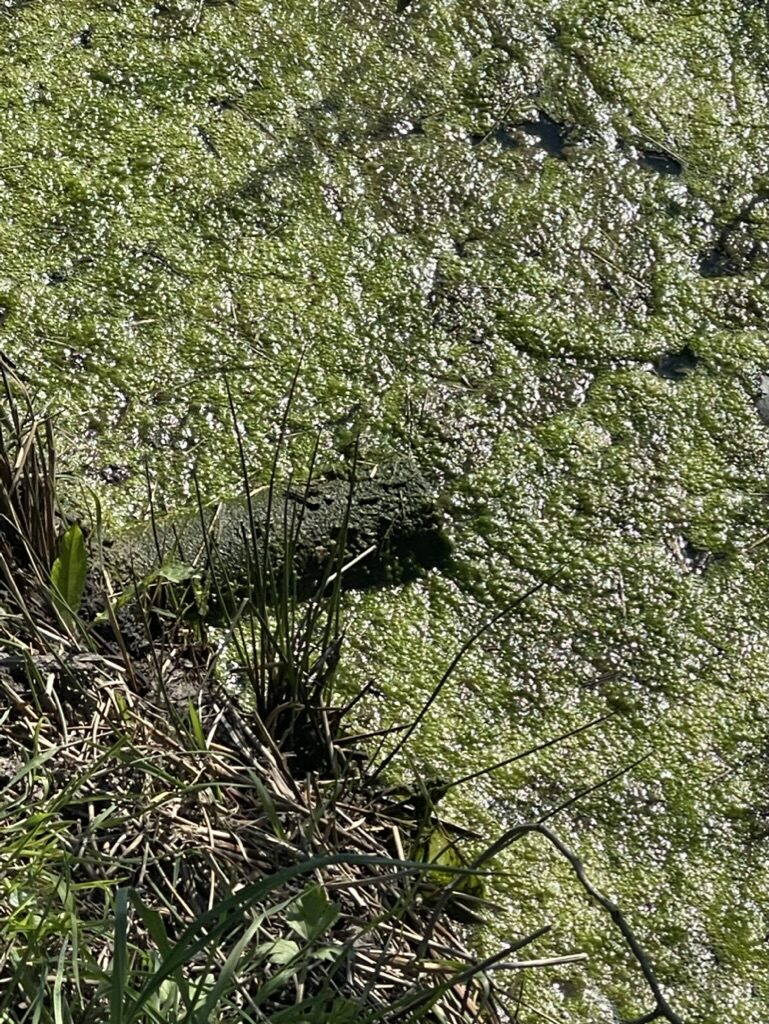
3. Inexperienced Contractor Appointment
A drainage scheme is only as effective as the system into which it discharges. Understanding the levels of surrounding ditches, watercourses and outfalls is therefore essential before any drainage design is finalised.
A particularly costly example of this precise point was well illustrated to us a few years ago. A competitor had installed a comprehensive drainage scheme covering approximately 65 acres of agricultural land. Unfortunately, the contractor had failed to appreciate that the surrounding ditch network was being deliberately maintained at elevated summer water levels for irrigation purposes.
Consequently, the drainage pipes were installed at depths of just 450mm beneath the surface. The following year, the farmer undertook routine subsoiling operations and inadvertently destroyed significant sections of the newly installed drainage network.
William Morfoot Ltd was subsequently appointed to re-drain the entire field.
The financial consequences were substantial, with the landowner effectively having to pay twice for a comprehensive drainage scheme.
It was a costly illustration of why comprehensive surveys are vitally important and selecting a competent drainage contractor is crucial.
4. Incorrect Gravel Depths and the Risk of Clay Capping
Gravel backfill plays a vital role in the performance of many agricultural land drainage systems. It provides a permeable pathway through which excess water can move from the surrounding soil into the drainage pipe.
However, specifying insufficient gravel depths can seriously compromise drainage performance, particularly in fields containing heavy, impermeable clay subsoils.
One problem we regularly encounter is known as clay capping. This occurs when impermeable clay material forms a barrier above the gravel backfill, restricting the downward movement of water from the topsoil into the drainage system below.
The result can be a drainage scheme that struggles to remove excess surface water, despite having an otherwise functional network of underground pipes.
Correctly specifying gravel depths requires a detailed understanding of soil profiles, topsoil depths and the characteristics of the underlying subsoil.
Saving money by reducing gravel quantities can prove a false economy if the finished drainage system cannot perform effectively.

5. Failing to Get Ditch Levels Right Before Installation
Ditches are the backbone of many agricultural land drainage systems. Yet we have encountered examples where newly installed drainage outfalls have actually been positioned below the existing bed level of the receiving ditch.
This means water entering the drainage pipe cannot discharge freely until sufficient water has accumulated within the pipe to overcome the obstruction created by the elevated ditch bed. In effect, the drainage system is being forced to back up before it can discharge.
This is a fundamental design and installation error. Before installing a drainage scheme, contractors must establish the correct ditch bed levels, assess the condition of the receiving watercourse and undertake any necessary ditch maintenance or re-profiling.
Getting the receiving ditch cut to the correct bed and water levels should always come before installing the drainage network that relies upon it.

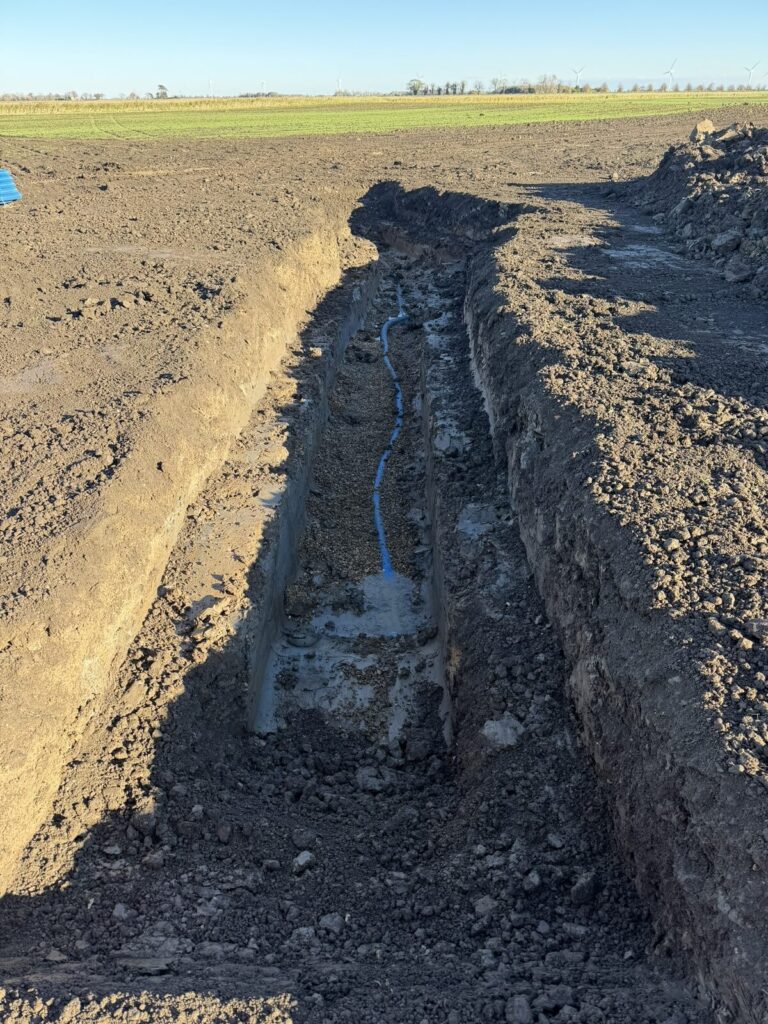
6. Poor Pipe Gradients and Backfalls
Water does not flow uphill. It sounds obvious, but we have witnessed examples of newly installed land drainage pipes containing significant backfalls, effectively requiring water to flow uphill before it can reach the outfall.
Poor pipe grading can result from inadequate surveying, using unsuitable or inadequate drainage machinery, incorrect installation techniques or poorly experienced drainage contractors.
These errors can create standing water within the drainage network, reduce hydraulic performance and increase the potential for sediment accumulation.
Modern drainage installation equipment, combined with accurate survey data and appropriate grade-control technology, allows pipe gradients to be carefully controlled throughout installation.
Maintaining the correct gradient is fundamental to the long-term performance of any agricultural land drainage scheme.
7. Using Poorly Specified Drainage Installation Equipment
The quality and specification of the machinery used to install a drainage scheme can have a significant impact on the finished result.
One particularly poor practice we have observed involves land drainage teams installing drainage pipes into open trenches and then attempting to place gravel backfill from the surface.
The problem is that trench walls can collapse before the gravel is installed. This is particularly likely in wet conditions, when water ingress and unstable soils place additional pressure on the trench walls.
Where sections of a trench collapse over the newly installed pipe, the correct quantity of gravel cannot subsequently be placed around and above it without reopening the affected section.
Consequently, parts of the drainage system may be left with insufficient gravel backfill, creating weaknesses in the finished scheme that may not become apparent until much later.
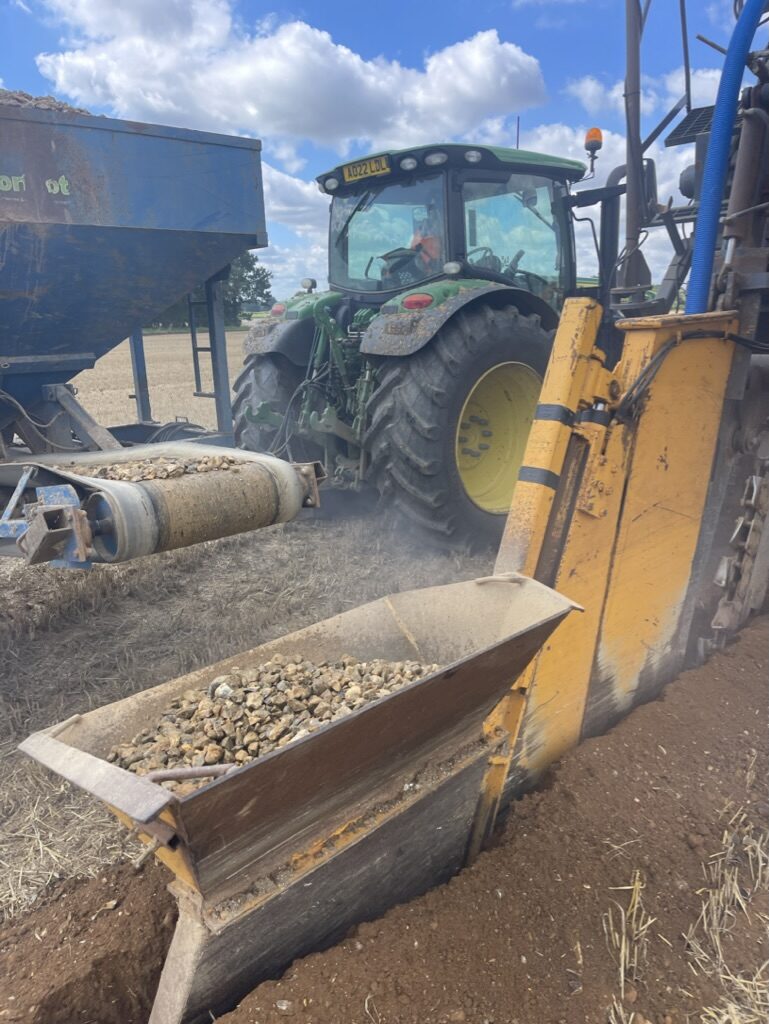
At William Morfoot Ltd, our specialist drainage trenching equipment incorporates a gravel hopper as standard, allowing accurately controlled quantities of gravel to be placed directly into the trench as part of the drain installation process. This helps ensure that the drainage pipe receives the specified gravel backfill before the trench has an opportunity to collapse.
For landowners investing substantial sums in drainage improvements, anything less represents poor value and potentially compromised drainage performance.
8. Failing to Understand the Importance of Gravel Backfill
One of the most significant mistakes we encounter is the installation of agricultural land drainage schemes without suitable permeable gravel backfill.
On several farms, we have been asked to investigate fields that have been comprehensively drained in the relatively recent past, yet continue to suffer from serious waterlogging.
Last winter, we visited one such field where a comprehensive drainage scheme had reportedly been installed just four years earlier. Despite this relatively recent investment, there were extensive areas of standing water and failed crops across the field.
Interestingly, the original drainage plans showed that new drainage pipes had been installed directly beneath some of the worst-affected areas.
Our investigations located the plastic drainage pipes approximately 800mm beneath the ground surface. The pipes themselves were clear, undamaged and appeared to be in the same condition as when they had originally been installed.
So why wasn’t the drainage scheme working?
The answer lay in the surrounding soil. The field contained exceptionally heavy, impermeable clay subsoil, which had effectively sealed over the drainage pipes.
Crucially, the original scheme had been installed without any gravel backfill. Consequently, there was no effective permeable pathway through which excess water could move from the topsoil down into the drainage network.
The pipes were present, correctly positioned and physically intact, but the water simply couldn’t reach them.
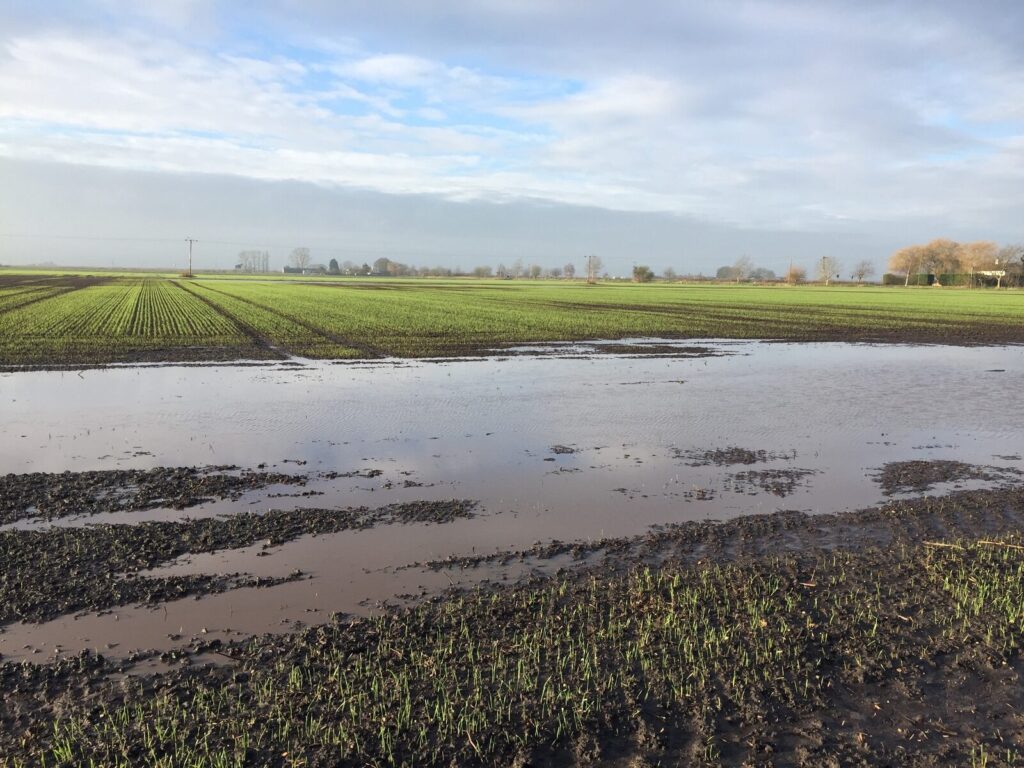
It was a striking example of a drainage scheme that had been installed but was fundamentally incapable of delivering the intended drainage improvements.
While pipe-only drainage can be appropriate in certain soil conditions, heavy and impermeable clay soils frequently require carefully specified permeable backfill to establish an effective hydraulic connection between the soil and the drainage pipe.
The lesson is simple: installing drainage pipes is only part of the solution. Ensuring water can actually reach those pipes is equally important.
9. Size Matters: The Problems with Undersized Land Drainage Pipes and Field Culverts
When it comes to agricultural land drainage, size really does matter!
Another mistake we frequently encounter is the use of undersized drainage pipes. Historically, many agricultural land drainage schemes were installed using 2-inch (approximately 50–60mm) diameter clay or plastic pipes.
The attraction of using smaller-diameter pipework is understandable. Smaller pipes allow narrower trenches to be excavated, reducing the volume of soil that needs to be removed and the quantity of gravel required for backfilling.
Narrower trenches can also be excavated more quickly, reducing installation costs. However, these apparent savings can come at a considerable long-term cost.
Reduced Hydraulic Capacity
As pipe diameters decrease, their hydraulic capacity reduces disproportionately. In simple terms, a relatively modest reduction in pipe diameter can result in a much greater reduction in the volume of water that can be conveyed through the pipe.
To illustrate this, consider the following comparison of drainage pipes installed at an identical gradient of 0.5%:
- 25mm diameter pipe: approximately 0.05 litres per second
- 50mm diameter pipe: approximately 0.31 litres per second
Despite the pipe diameter only doubling, the larger pipe can convey more than six times as much water! This demonstrates how relatively small differences in pipe diameter can have a disproportionately large impact on drainage capacity.
The fundamental purpose of an agricultural land drainage scheme is to remove excess water from the soil efficiently following periods of heavy or prolonged rainfall.
Where pipes have insufficient capacity, water removal can be restricted, potentially prolonging waterlogged conditions and adversely affecting crop performance.
The ability to move water efficiently is fundamental to the success of any agricultural land drainage scheme.
Increased Maintenance Difficulties
A second, less obvious problem concerns the long-term maintenance of smaller-diameter pipes. Land drainage systems occasionally require jetting to remove accumulated sediment, debris or other obstructions.
However, 2-inch drainage pipes are particularly difficult to maintain using conventional drain jetting equipment. The restricted internal diameter leaves very little room for a standard jetting head to travel through the pipe, particularly where sediment has accumulated.
Smaller pipes can also be more vulnerable to blockage, particularly where low flow velocities reduce their ability to transport sediment.
We have encountered numerous examples of older 2-inch drainage systems where effective jetting has proved extremely challenging.
Our Minimum Pipe Diameter Policy
For these reasons, William Morfoot Ltd has a firm policy of never designing or installing agricultural land drainage schemes using pipes smaller than 80mm in diameter.
We believe that specifying an appropriate minimum pipe diameter provides important benefits in terms of hydraulic performance, maintenance accessibility and long-term reliability.
While smaller pipes may offer modest savings at installation, these savings need to be considered against the expected working life of the drainage system.
Field Culverts: Another Area Where Size Matters
The importance of correctly sized pipework extends beyond underground land drains. It is equally relevant to field culverts installed within perimeter ditch systems.
All too often, we encounter field culverts that have been installed using pipes that are simply too small to accommodate the volume of water passing through them.
These undersized culverts can quickly become obstructed, particularly during periods of heavy rainfall when increased flows carry hedge clippings, leaves, sediment and other general debris through the ditch network.
Once a culvert becomes partially or completely blocked, water levels can rise within the upstream ditch system, restricting the ability of agricultural land drains to discharge freely.
The consequences can be significant. Even a comprehensively designed and professionally installed land drainage scheme can be compromised if the receiving ditch network is unable to convey water away effectively.
When specifying field culverts, it is therefore important to consider not only the anticipated volume of water but also the likelihood of debris being carried through the system.
Providing sufficient capacity and allowing for the passage of reasonable quantities of surface debris can substantially reduce the risk of blockages and subsequent drainage problems.
The frustrating reality is that correctly specifying a field culvert is often a relatively simple and inexpensive decision at the design and installation stage. Yet getting it wrong can have a disproportionately large impact on the performance of the entire drainage scheme.
It is another example of why understanding the wider water management infrastructure is every bit as important as designing the underground drainage network itself.
Getting the Specification Right First Time
Whether we are talking about underground land drains or field culverts, the principle remains the same.
Reducing pipe diameters to achieve relatively modest savings during installation can introduce unnecessary restrictions, increase maintenance requirements and compromise long-term drainage performance.
A land drainage scheme should be designed to perform effectively for decades, not simply to achieve the lowest possible installation cost.
10. Failing to Identify and Accommodate Historic Land Drains
Agricultural land drainage has been undertaken across the British countryside for generations. Consequently, many fields contain historic drainage networks, some of which may have been installed many decades ago.
These older systems can still carry substantial quantities of water, even where their precise locations have been forgotten.
Unfortunately, we regularly encounter situations where new drainage schemes have been installed without adequately identifying or accommodating the historic drainage infrastructure already present.
One particularly problematic situation arises when an existing drain is severed during the installation of a new scheme.
The result can be a ‘blowing drain’, where water from the historic system discharges into the surrounding soil rather than continuing through its intended drainage route.
This can create new areas of waterlogging and undermine the performance of the newly installed scheme.
The consequences can be particularly serious where the damaged historic pipe is a larger-diameter carrier main, capable of conveying substantial volumes of water from surrounding land.
Understanding What Lies Beneath the Field
At William Morfoot Ltd, we believe that investigating historic drainage infrastructure should form an important part of the initial survey and design process.
Historic drainage plans and mapping can provide valuable information about previous schemes.
Equally important is the knowledge held by landowners and farm staff, who may be familiar with historic drainage works, known wet areas or the locations of existing outfalls.
Careful inspection of surrounding ditches and field boundaries can also reveal valuable clues, including historic pipe outfalls that indicate the presence of older drainage networks.
Integrating Old and New Drainage Systems
Where historic drains are encountered, their interaction with the proposed new drainage scheme needs to be carefully considered.
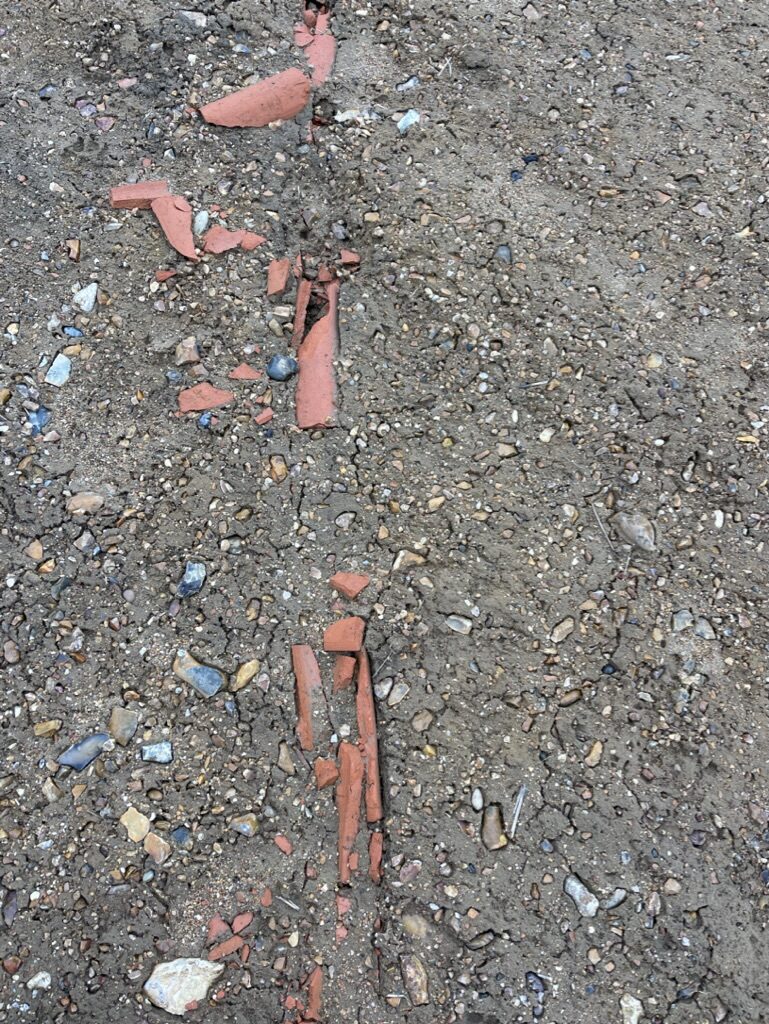
Existing drains may need to be intercepted, connected into the new system, diverted or otherwise managed to ensure that they continue to function effectively.
Particular attention should be paid to historic carrier mains and other pipes conveying water from outside the immediate area being drained.
The objective should always be to ensure that new and historic drainage systems work together rather than against one another.
Failing to achieve this can result in costly remedial work, avoidable waterlogging and unnecessary disruption to agricultural operations.
The Cheapest Land Drainage Scheme Is Rarely the Best Investment
The common theme running through all 10 mistakes is the importance of experience, technical knowledge and attention to detail.
Agricultural land drainage is a specialist discipline. Successful schemes require considerably more than simply installing perforated pipes beneath the ground.
They demand a detailed understanding of topography, soil characteristics, watercourse levels, hydraulic gradients, gravel specifications, existing drainage infrastructure and installation techniques.
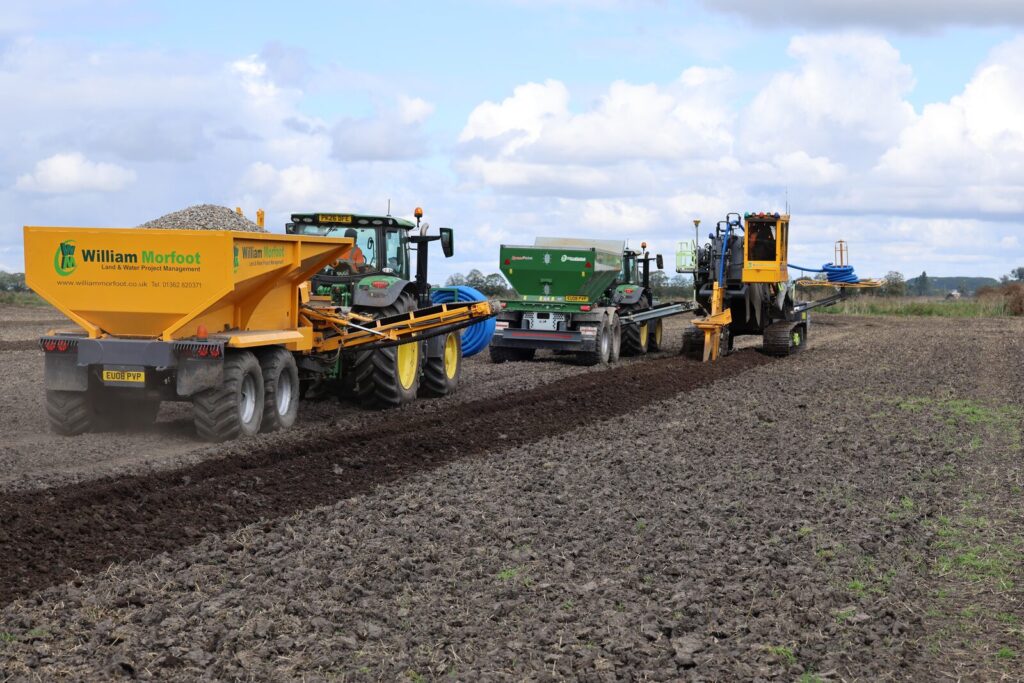
It is also important for landowners to recognise that two drainage quotations may represent very different levels of service and specification.
Differences in surveying, drain spacing, pipe diameter, gravel quantities, machinery specification and installation methods can all have a significant influence on the overall cost of a scheme.
However, these same factors can also determine whether the completed drainage system performs effectively for generations or requires expensive remedial work within just a few years.
At William Morfoot Ltd, our approach has always been to invest the necessary time in surveying, understanding and designing each scheme before work begins.
With more than 60 years of experience in agricultural land drainage and water management, we understand that the true value of a drainage scheme should be measured not simply by its installation cost, but by its performance over the decades that follow.

Because when it comes to agricultural land drainage, getting it right first time is invariably the most cost-effective solution.
Agricultural Land Drainage Specialists – William Morfoot Ltd
If you are considering investing in a new agricultural land drainage scheme, or have concerns about the performance of an existing system, our experienced team can provide specialist advice, detailed topographical surveying, drainage design and professional installation.
Contact William Morfoot Ltd to discuss your agricultural land drainage requirements.